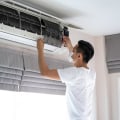
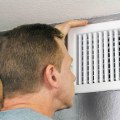
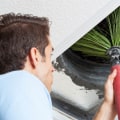
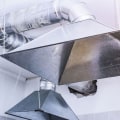
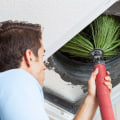
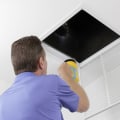
Duct cleaning is a process that involves the removal of dust, debris, and other contaminants from the ductwork of heating, ventilation, and air conditioning (HVAC) systems. While many homeowners may consider this service essential for maintaining a pristine duct environment, the reality is often more complex. Understanding the implications of duct cleaning is crucial for anyone looking to improve their indoor air quality and overall home health.Indoor air quality has become a significant concern in recent years, as people spend more time inside their homes. Pollutants such as dust, mold spores, pet dander, and even volatile organic compounds (VOCs) can accumulate in the air ducts, potentially affecting the air we breathe.
However, the relationship between duct cleaning and improved indoor air quality is not as straightforward as it may seem. Many factors contribute to the quality of indoor air, and while clean ducts can play a role, they are just one piece of a much larger puzzle.As we delve deeper into the topic of duct cleaning, it is essential to separate fact from fiction. Numerous myths surround this practice, leading to confusion and misinformed decisions among homeowners. For instance, some believe that regular duct cleaning is necessary to prevent health issues or that it will significantly enhance HVAC efficiency.
In this section, we will explore these misconceptions and provide evidence-based insights to help you make informed choices regarding your home's air quality.Ultimately, understanding duct cleaning is not just about knowing when to schedule a service; it's about recognizing its role within the broader context of maintaining a healthy living environment. By examining the facts and debunking common myths, you can better assess whether duct cleaning is a necessary step toward achieving a truly pristine duct system in your home.
Common Myths About Duct Cleaning
When it comes to duct cleaning, many homeowners are often misled by common myths that circulate in the community. Understanding these misconceptions is crucial for making informed decisions about your home’s air quality and maintenance. Here, we will debunk some of the most prevalent myths surrounding duct cleaning.- Myth 1: Duct Cleaning is Always Necessary
Many believe that duct cleaning should be performed regularly, but this is not necessarily true.The Environmental Protection Agency (EPA)Environmental Protection Agency (EPA) suggests that duct cleaning is only needed when there is visible mold growth, an infestation of vermin, or excessive dust and debris that could affect air quality.
- Myth 2: Duct Cleaning Improves Air Quality Significantly
While clean ducts can contribute to better air quality, they are just one factor among many. Activities such as cooking, smoking, and even using certain cleaning products can introduce pollutants into your home. Therefore, focusing solely on duct cleaning may not yield the expected improvements in indoor air quality. - Myth 3: All Duct Cleaning Services are the Same
Not all duct cleaning services adhere to the same standards. It’s essential to choose a reputable provider who follows industry best practices.Some companies may use inadequate methods that do not effectively clean your ducts or may even cause damage.
- Myth 4: Duct Cleaning Will Eliminate Allergies
While removing dust and allergens from ducts can help reduce some allergy symptoms, it is not a cure-all solution. Allergies can be triggered by various factors, including pet dander, pollen, and mold, which may not be addressed through duct cleaning alone. - Myth 5: Duct Cleaning is a DIY Task
Many homeowners think they can clean their ducts themselves; however, this task requires specialized equipment and knowledge. Improper cleaning can lead to more harm than good, including damaging the ductwork or failing to remove contaminants effectively.
The Importance of Indoor Air Quality
Maintaining good indoor air quality (IAQ) is essential for the health and well-being of everyone in a home or workplace.Poor IAQ can lead to a variety of health issues, including respiratory problems, allergies, and even long-term diseases. The air we breathe indoors can be more polluted than outdoor air, primarily due to the accumulation of dust, allergens, and other contaminants in our living spaces.One significant contributor to indoor air pollution is the ductwork in heating and cooling systems. Over time, dust, pet dander, mold spores, and other particles can accumulate in the ducts, circulating throughout the home every time the HVAC system operates. This is where the concept of pristine duct comes into play.
A clean duct system not only improves airflow but also significantly enhances the quality of air that occupants breathe.While duct cleaning is often touted as a solution for improving IAQ, it’s crucial to understand its role within the broader context of maintaining a healthy indoor environment. Here are some key points to consider:
- Source Control: The first step in improving IAQ is identifying and controlling sources of pollution. This includes regular cleaning practices, using air purifiers, and ensuring proper ventilation.
- Regular Maintenance: Routine maintenance of HVAC systems can prevent the buildup of contaminants in ducts. This includes changing filters regularly and scheduling professional inspections.
- The Role of Duct Cleaning: While duct cleaning can help remove accumulated debris, it should not be viewed as a standalone solution.
It is most effective when combined with other IAQ improvement strategies.
- Benefits of Pristine Ducts: Clean ducts can lead to improved energy efficiency, reduced allergens in the air, and a more comfortable living environment.
When Is Duct Cleaning Necessary?
Determining when duct cleaning is necessary can be challenging, as it often depends on various factors unique to your home and lifestyle. Here are some specific scenarios that may warrant a thorough cleaning of your ducts:- Visible Dust and Debris: If you notice a significant buildup of dust, dirt, or debris around your air vents or within the ducts themselves, it may be time to consider cleaning. This accumulation can hinder airflow and reduce the efficiency of your heating and cooling systems.
- Allergies and Respiratory Issues: If you or your family members experience unexplained allergies, asthma, or respiratory problems, dirty ducts could be a contributing factor.
Pollutants trapped in the ductwork can circulate throughout your home, exacerbating these health issues.
- Recent Renovations: Home renovations can generate a considerable amount of dust and debris. If you've recently remodeled or made significant changes to your home, it's advisable to have your ducts cleaned to remove any construction-related contaminants.
- Pest Infestations: If you suspect that rodents or insects have made their way into your duct system, cleaning is essential. Pests can leave behind droppings and other debris that not only contaminate the air but also pose health risks.
- Mold Growth: The presence of mold in your ducts is a serious concern. If you see signs of mold growth or have experienced water damage in your home, it’s crucial to address this issue immediately by having your ducts professionally cleaned.
- Unpleasant Odors: Foul smells emanating from your vents can indicate trapped odors from pets, smoke, or other sources.
Cleaning the ducts can help eliminate these odors and improve the overall air quality in your home.
Potential Risks of Duct Cleaning
While duct cleaning can offer benefits, it is crucial to recognize the potential risks associated with this process, especially when it is not performed correctly. Understanding these risks can help homeowners make informed decisions and ensure that their indoor air quality remains pristine.One of the primary dangers of improper duct cleaning is the potential for air quality deterioration.If the cleaning process is not executed properly, dust, debris, and other contaminants can be dislodged and circulated back into the home’s air supply. This can lead to increased respiratory issues and allergies, counteracting any benefits that duct cleaning might provide.Additionally, inadequate cleaning techniques can cause damage to the ductwork itself. For instance, using aggressive tools or methods may result in punctures or tears in the ducts, which can lead to air leaks. These leaks not only reduce the efficiency of your heating and cooling systems but also allow unfiltered air from attics or crawl spaces to enter your living areas.Another risk involves the use of chemical biocides or treatments that some service providers may recommend.
While these substances are intended to eliminate microbial contaminants, they can pose health risks if not applied correctly. Homeowners should be cautious and ensure that any chemicals used are safe for indoor environments and that they are applied only after thorough cleaning has been completed.To mitigate these risks, it is essential to hire qualified professionals who adhere to industry standards. Look for companies that are certified by reputable organizations and have a proven track record in duct cleaning. A reliable service provider will:
- Conduct a thorough inspection of your duct system before cleaning.
- Use appropriate tools and techniques that minimize disruption to your ducts.
- Avoid using harmful chemicals unless absolutely necessary and ensure proper ventilation during their application.
- Provide a detailed report of their findings and any actions taken during the cleaning process.
By choosing experienced professionals and ensuring safe practices are followed, homeowners can enjoy cleaner air without compromising their health or home integrity.
Choosing a Reliable Duct Cleaning Service
When it comes to maintaining a healthy indoor environment, choosing a reliable duct cleaning service is crucial. With numerous companies offering duct cleaning, it can be challenging to determine which one is trustworthy and effective. Here are some essential tips to help you make an informed decision.1.Research Credentials and Experience
- Look for companies that are certified by recognized organizations such as the National Air Duct Cleaners Association (NADCA). Certification indicates that the company adheres to industry standards and best practices.
- Check how long the company has been in business.
A well-established company is likely to have more experience and a proven track record.
2.Read Reviews and Testimonials
- Online reviews can provide insight into the experiences of previous customers. Look for patterns in feedback regarding service quality, professionalism, and results.
- Ask for references from the company. Speaking directly with past clients can give you a clearer picture of what to expect.
3.Ask Key Questions
Before hiring a duct cleaning service, consider asking the following questions:
- What methods do you use for duct cleaning? Ensure they use safe and effective techniques, such as HEPA vacuuming.
- Do you provide a written estimate? A reputable company should offer a detailed estimate that outlines the services included.
- Are your technicians insured and trained? Verify that the technicians are properly trained and covered by insurance to protect against any potential damages or accidents.
- What is your policy on follow-up services? Inquire about any guarantees or follow-up services they offer after the cleaning is completed.
4.Evaluate Pricing
While cost should not be the sole factor in your decision, it’s important to understand pricing structures. Be wary of extremely low prices, as they may indicate subpar service or hidden fees.
Aim for a balance between affordability and quality.
5.Trust Your Instincts
If something feels off during your interactions with a company—whether it’s their communication style or their willingness to answer questions—trust your instincts. A reliable duct cleaning service should be transparent and eager to address your concerns.By following these guidelines, you can confidently select a duct cleaning service that prioritizes quality and customer satisfaction, ensuring your ducts remain in pristine condition.
Alternative Solutions for Improving Indoor Air Quality
While duct cleaning is often discussed as a method for improving indoor air quality, there are numerous alternative solutions that can be equally effective, if not more so. Understanding these options can empower homeowners to make informed decisions about their indoor environments.1.Regular HVAC Maintenance
- Scheduling regular maintenance for your heating, ventilation, and air conditioning (HVAC) system is crucial. This includes changing filters, checking for leaks, and ensuring that the system operates efficiently.
- Using high-efficiency particulate air (HEPA) filters can significantly reduce airborne particles, enhancing overall air quality.
2.Air Purifiers
- Investing in a quality air purifier can help remove pollutants from the air.
Look for models that utilize HEPA filters and activated carbon to capture both particles and odors.
- Consider the size of the room when selecting an air purifier to ensure it effectively covers the intended area.
3.Humidity Control
- Maintaining optimal humidity levels (between 30% and 50%) can prevent mold growth and reduce dust mites. Dehumidifiers can be particularly useful in damp areas like basements.
- Conversely, using humidifiers in dry climates or during winter months can help alleviate respiratory issues caused by dry air.
4.Natural Ventilation
- Opening windows and doors when weather permits allows fresh air to circulate throughout your home, diluting indoor pollutants.
- Consider installing exhaust fans in kitchens and bathrooms to remove excess moisture and odors effectively.
5.Houseplants
- Certain houseplants are known for their air-purifying qualities. Plants like spider plants, peace lilies, and snake plants can absorb toxins and improve indoor air quality.
- Incorporating greenery into your home not only enhances aesthetics but also contributes to a healthier living environment.
6.Avoiding Indoor Pollutants
- Be mindful of the products you use in your home. Opt for low-VOC (volatile organic compounds) paints, cleaning supplies, and furnishings to minimize harmful emissions.
- Avoid smoking indoors and limit the use of candles or incense that can release particulates into the air.
Each method offers unique benefits that contribute to a healthier living space, making it essential to consider a holistic approach to indoor air management.
FAQs About Duct Cleaning
When it comes to duct cleaning, many homeowners have questions that can lead to confusion. Here are some of the most frequently asked questions about duct cleaning, along with clear and informative answers.1.How often should I have my ducts cleaned?
The frequency of duct cleaning largely depends on various factors, including your location, the presence of pets, and your home’s overall air quality. Generally, it is recommended to have your ducts cleaned every 3 to 5 years. However, if you notice significant dust buildup or experience allergies, you may want to consider more frequent cleanings.2.What are the signs that my ducts need cleaning?
- Visible dust: If you can see dust accumulating around your vents or on your furniture, it may be time for a cleaning.
- Unpleasant odors: Foul smells emanating from your vents can indicate mold or other contaminants in your ducts.
- Increased allergy symptoms: If you or your family members experience worsening allergies or respiratory issues, dirty ducts could be a contributing factor.
3.Is duct cleaning necessary for maintaining indoor air quality?
While duct cleaning can help improve indoor air quality by removing dust and allergens, it is not the only factor to consider.Regular maintenance of your HVAC system, including changing filters and ensuring proper ventilation, is equally important. The Environmental Protection Agency (EPA) suggests that duct cleaning should be part of a broader strategy for maintaining good indoor air quality.
4.Can I clean my ducts myself?
While some homeowners may attempt DIY duct cleaning using vacuum attachments or brushes, it is generally recommended to hire a professional service. Professionals have specialized equipment and training to ensure a thorough and safe cleaning process without damaging your ductwork.5.Are there any risks associated with duct cleaning?
If performed incorrectly, duct cleaning can potentially cause more harm than good. For instance, improper techniques can dislodge dust and debris, causing it to circulate back into your home’s air.Therefore, it is crucial to choose a reputable service provider who follows industry standards.By addressing these common questions about duct cleaning, homeowners can make informed decisions regarding their indoor air quality and the maintenance of their HVAC systems.
Conclusion: Making Informed Decisions About Duct Cleaning
In summary, the conversation surrounding duct cleaning is often clouded by misconceptions and a lack of clear information. As we have explored throughout this article, it is crucial to differentiate between myths and facts when considering whether to clean your ducts. The notion that pristine duct systems are essential for maintaining optimal indoor air quality is not universally supported by scientific evidence. Instead, it is vital to assess your specific circumstances and the unique conditions of your home.Before making a decision, consider the following key points:- Assess Your Home's Environment: Evaluate whether there are visible signs of dust accumulation or other contaminants in your ducts.
If you notice excessive dust or mold growth, it may warrant further investigation.
- Understand the Sources of Indoor Air Quality Issues: Recognize that air quality can be affected by various factors beyond just dirty ducts, including outdoor pollution, household activities, and even the materials used in your home.
- Consult Professionals: If you suspect that duct cleaning may be necessary, seek advice from qualified professionals who can provide a thorough inspection and recommend appropriate actions based on their findings.
- Be Cautious with Chemical Treatments: If service providers suggest using chemical biocides or treatments, ensure you are fully informed about their potential risks and benefits before proceeding.