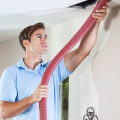
Duct cleaning is a process that involves the removal of dust, debris, and other contaminants from the ductwork of heating, ventilation, and air conditioning (HVAC) systems. This procedure is often touted as essential for maintaining a healthy indoor environment and ensuring the efficient operation of HVAC systems. However, the reality surrounding duct cleaning is more complex than many homeowners realize. Understanding what duct cleaning entails and its purported importance can help clarify why it is frequently misunderstood.At its core, duct cleaning aims to improve air quality by eliminating pollutants that may circulate through the air ducts and into living spaces.
Proponents argue that regular cleaning can reduce allergens, dust, and other irritants that may affect respiratory health. In theory, this makes sense; after all, clean air is vital for overall well-being. However, the actual effectiveness of duct cleaning in achieving these goals is a topic of considerable debate among experts in the HVAC industry.Many homeowners believe that their air ducts accumulate significant amounts of dust and debris over time, leading to poor air quality and inefficient system performance. While it is true that some dust can settle in ducts, studies have shown that most of this material does not enter the living space.
Instead, it tends to adhere to the surfaces of the ducts themselves. This raises important questions about the necessity and frequency of duct cleaning. Is it truly essential for maintaining a pristine duct system, or is it merely a service that has been marketed effectively?As we delve deeper into the myths surrounding duct cleaning, it becomes crucial to separate fact from fiction. By examining the actual benefits and potential drawbacks of this practice, homeowners can make informed decisions about whether duct cleaning is a necessary part of their home maintenance routine or an unnecessary expense.
Common Myths About Duct Cleaning
When it comes to duct cleaning, many homeowners are often misled by common myths that can cloud their judgment.Understanding these misconceptions is essential for making informed decisions about your HVAC system and maintaining a healthy indoor environment.
Myth 1: Duct Cleaning Should Be Done Annually
One of the most prevalent myths is that duct cleaning is a necessary annual maintenance task. In reality, the frequency of duct cleaning should depend on various factors, including the age of your home, the presence of pets, and whether anyone in the household suffers from allergies or respiratory issues. The Environmental Protection Agency (EPA) does not recommend a strict annual schedule, suggesting instead that homeowners assess their specific circumstances before deciding on duct cleaning.
Myth 2: Duct Cleaning Significantly Improves Indoor Air Quality
Another common misconception is that cleaning your ducts will dramatically enhance indoor air quality. While it’s true that removing dust and debris can have some positive effects, much of the dirt in your ducts is not airborne and does not circulate into your living spaces.
Therefore, simply cleaning ducts may not yield the significant improvements in air quality that many expect. Instead, focusing on regular maintenance tasks like changing air filters and keeping your home clean can be more effective.
Myth 3: All Duct Cleaning Services Are the Same
Homeowners often believe that all duct cleaning services provide the same level of quality and thoroughness. However, this is far from the truth. The effectiveness of duct cleaning can vary significantly based on the methods used and the experience of the technicians.
It’s crucial to choose a reputable service provider who uses proper techniques and equipment to ensure that your ducts are cleaned effectively without causing damage.
Myth 4: Duct Cleaning Eliminates Allergens
Many people think that duct cleaning will eliminate all allergens from their home. While it can help reduce some dust and debris, it does not remove allergens like pollen or pet dander that may be present in other areas of your home. To truly improve indoor air quality, consider using high-efficiency particulate air (HEPA) filters and maintaining a clean living environment.By debunking these myths surrounding duct cleaning, homeowners can make more informed decisions about their HVAC maintenance. Understanding what duct cleaning can and cannot do is vital for ensuring both efficiency and health within your home.
The Science Behind Duct Cleaning
Understanding the science of duct cleaning requires a closer look at how dust and debris accumulate within HVAC systems.Over time, air ducts can become a repository for various particles, including dust, pollen, pet dander, and even mold spores. This accumulation occurs due to the natural airflow within the system, which can carry these particles into the ducts. As air circulates, it can deposit these contaminants on the duct surfaces, leading to a buildup that may affect both efficiency and air quality.When considering how duct cleaning works, it’s essential to recognize that the process typically involves several steps. Initially, a professional technician will inspect the ducts to assess their condition and identify any areas of concern.
Following this inspection, specialized equipment such as high-powered vacuums and brushes are used to dislodge and remove the accumulated debris. This thorough cleaning aims to restore airflow efficiency and reduce potential allergens circulating in your home.However, the actual benefits of duct cleaning can vary significantly based on several factors. For instance, if your home has experienced significant renovations or if you have pets that shed fur regularly, duct cleaning may provide noticeable improvements in indoor air quality. In such cases, removing built-up dust can help alleviate allergy symptoms and enhance overall comfort.On the other hand, if your ducts are relatively clean or if you maintain a regular schedule of changing air filters and cleaning your home, the benefits of duct cleaning may be minimal.
The Environmental Protection Agency (EPA) suggests that while duct cleaning can be beneficial in certain situations—such as after a major renovation or if there is visible mold growth—it is not always necessary for maintaining good indoor air quality.In conclusion, while duct cleaning can play a role in improving HVAC efficiency and indoor air quality under specific circumstances, it is not a one-size-fits-all solution. Homeowners should evaluate their unique situations and consult with professionals to determine whether duct cleaning is warranted for their systems.
When Is Duct Cleaning Necessary?
Understanding when duct cleaning is necessary can help homeowners maintain a healthy indoor environment and ensure their HVAC systems operate efficiently. While regular duct cleaning is often overstated, there are specific situations where it becomes essential.Post-Renovation Cleaning
One of the most critical times to consider duct cleaning is after home renovations. Renovations can generate significant amounts of dust, debris, and other contaminants that may settle in your air ducts.If you've recently remodeled your kitchen, bathroom, or any other area of your home, it's wise to have your ducts inspected and cleaned to remove any construction dust that could circulate through your HVAC system.
Health Concerns
If you or a family member suffers from allergies, asthma, or other respiratory issues, duct cleaning may provide some relief. Dust, mold spores, and pet dander can accumulate in the ducts and be released into the air you breathe. If you notice an increase in allergy symptoms or respiratory problems when your HVAC system is running, it might be time to consider a thorough duct cleaning.Visible Contaminants
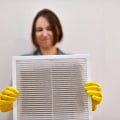
Another sign that duct cleaning may be necessary is the visible presence of dust or debris around your vents. If you can see dust accumulating on the vent covers or if there are signs of mold growth near the ducts, these are clear indicators that your ducts need attention.Additionally, if you notice a musty odor when the system is running, it could suggest mold or mildew buildup within the ducts.
Unusual HVAC Performance
If your heating and cooling system is not performing as efficiently as it once did—such as inconsistent temperatures throughout your home or increased energy bills—it may be due to clogged ducts. Dust and debris can restrict airflow, making your system work harder than necessary. In such cases, a professional inspection and potential cleaning could restore efficiency.After Pest Infestations
If you've had a pest infestation in your home, particularly rodents or insects that may have made their way into the ductwork, it's crucial to have the ducts cleaned afterward. Pests can leave behind droppings and other contaminants that pose health risks.In summary, while regular duct cleaning may not be necessary for every household, certain situations warrant this service.By being aware of these signs and scenarios, homeowners can make informed decisions about maintaining their HVAC systems and ensuring a healthy living environment.
Potential Risks of Duct Cleaning
While duct cleaning may seem like a straightforward solution to improve indoor air quality, it carries several potential risks that homeowners should be aware of. Understanding these risks is crucial for making informed decisions about whether or not to proceed with duct cleaning.1.Damage to the HVAC System
One of the most significant risks associated with duct cleaning is the potential for damage to your HVAC system. If not performed correctly, the cleaning process can dislodge debris that may then clog other components of the system, such as filters and coils. This can lead to:
- Reduced Efficiency: A clogged system can cause your HVAC unit to work harder, leading to increased energy consumption and higher utility bills.
- Increased Wear and Tear: Over time, the added strain on your system can result in premature wear and tear, necessitating costly repairs or even replacement.
2.Release of Dust and Contaminants
Another concern is that improper duct cleaning techniques can actually release more dust and contaminants into your home’s air than were originally present.
For instance, if the cleaning equipment is not adequately sealed or if the technician fails to use proper vacuuming methods, dust particles can escape back into the living space. This can exacerbate respiratory issues for individuals with allergies or asthma.
3.Chemical Exposure
Some duct cleaning services use chemical agents to disinfect or deodorize ducts. While these chemicals may seem beneficial, they can pose health risks if not used properly. Homeowners should be cautious about:
- Volatile Organic Compounds (VOCs): Many cleaning agents release VOCs that can contribute to indoor air pollution.
- Allergic Reactions: Some individuals may experience allergic reactions or respiratory issues due to exposure to these chemicals.
4.Incomplete Cleaning
If duct cleaning is performed by inexperienced technicians, there’s a risk that the job will be incomplete.
This means that while some areas may appear clean, others may still harbor dust and allergens, leading to ongoing air quality issues.In conclusion, while duct cleaning might seem like a necessary step for maintaining a pristine duct system, it’s essential to weigh these potential risks against the benefits. Consulting with qualified professionals who understand the intricacies of HVAC systems can help mitigate these dangers and ensure that any cleaning performed is both safe and effective.
DIY Duct Cleaning: Pros and Cons
When it comes to maintaining your HVAC system, many homeowners consider DIY duct cleaning as a cost-effective alternative to hiring professionals. However, before you grab your vacuum and start cleaning, it’s essential to weigh the pros and cons of this approach.Benefits of DIY Duct Cleaning
- Cost Savings: One of the most significant advantages of cleaning your ducts yourself is the potential for substantial savings. Professional duct cleaning services can be expensive, often ranging from $300 to $500 or more, depending on the size of your home and the complexity of the job.
- Control Over the Process: By opting for a DIY approach, you have complete control over how and when the cleaning is done.
This flexibility allows you to tailor the process to your schedule and preferences.
- Immediate Results: If you notice a significant buildup of dust or debris in your ducts, a DIY cleaning can provide immediate relief. You can quickly address visible issues without waiting for a professional appointment.
Risks of DIY Duct Cleaning
- Lack of Expertise: Without professional training, you may not know how to identify underlying issues within your ductwork. Problems such as leaks or mold growth can go unnoticed, leading to more significant issues down the line.
- Potential Damage: Improper cleaning techniques can damage your ducts. For instance, using a vacuum that is too powerful or using harsh chemicals can lead to cracks or other structural issues that compromise your HVAC system's efficiency.
- Limited Effectiveness: While you may remove some dust and debris, DIY methods often fail to achieve the thoroughness that professionals provide.
Many contaminants adhere to duct surfaces and require specialized equipment for effective removal.
Choosing a Professional Duct Cleaning Service
When it comes to maintaining a healthy indoor environment, choosing the right professional duct cleaning service is crucial. With numerous options available, it can be overwhelming to determine which service will provide the best results.Here are some essential factors to consider when selecting a reputable duct cleaning company.
- Check Credentials and Certifications: Ensure that the duct cleaning service you choose has the necessary licenses and certifications. Look for companies that are certified by organizations such as the National Air Duct Cleaners Association (NADCA). This certification indicates that the company adheres to industry standards and best practices.
- Experience Matters: Experience plays a significant role in the effectiveness of duct cleaning. Companies with a proven track record are more likely to understand the complexities of different HVAC systems and how to clean them without causing damage.
Ask about their years in business and request references from previous clients.
- Insurance Coverage: A reputable duct cleaning service should carry liability insurance. This protects you in case of any accidents or damages that may occur during the cleaning process. Always ask for proof of insurance before hiring a company.
- Transparent Pricing: Look for companies that provide clear and detailed estimates before starting any work. Be wary of low-cost services that may cut corners or use subpar equipment.
A trustworthy company will explain their pricing structure and what is included in the service.
- Customer Reviews and Testimonials: Research online reviews and testimonials from previous customers. Websites like Yelp, Google Reviews, and the Better Business Bureau can provide insights into the experiences of others. Pay attention to feedback regarding professionalism, quality of work, and customer service.
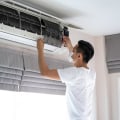
- Cleaning Methods and Equipment: Inquire about the methods and equipment used by the duct cleaning service. High-quality services typically use advanced tools such as HEPA vacuums and rotary brushes to ensure thorough cleaning without damaging your ducts.
Remember, investing in a reputable company not only ensures effective cleaning but also contributes to maintaining a pristine duct system that supports better air quality in your home.
Maintaining Pristine Ducts Without Regular Cleaning
Maintaining pristine ducts without the need for frequent professional cleaning is not only possible but also essential for ensuring a healthy indoor environment. By implementing a few proactive measures, homeowners can significantly improve their indoor air quality and extend the lifespan of their HVAC systems.Regular Filter Changes
- One of the simplest yet most effective ways to maintain clean ducts is by regularly changing your air filters. Depending on the type of filter you use, it’s advisable to replace them every 1 to 3 months. Dirty filters can restrict airflow, causing your system to work harder and potentially leading to dust accumulation in the ducts.
Routine HVAC Maintenance
- Scheduling regular maintenance checks with a licensed HVAC technician can help identify potential issues before they escalate.
During these visits, technicians can clean components such as coils and blowers, which indirectly helps keep your ducts cleaner.
Seal Ducts Properly
- Ensuring that your ductwork is properly sealed can prevent dust and debris from entering the system. Use mastic sealant or metal tape to seal any leaks or gaps in the ductwork. This not only improves efficiency but also minimizes the amount of dust that can accumulate.
Control Humidity Levels
- High humidity levels can lead to mold growth within ducts, which can severely impact indoor air quality. Using dehumidifiers or ensuring your HVAC system has a built-in humidity control feature can help maintain optimal moisture levels.
Keep Your Home Clean
- Regularly dusting and vacuuming your home can significantly reduce the amount of dust that enters your ducts.
Pay special attention to areas near vents and registers, as these are common spots for dust accumulation.
Use Air Purifiers
- Investing in high-quality air purifiers can help capture airborne particles before they settle in your ducts. Look for models with HEPA filters, which are effective at trapping small particles, including allergens and dust.
FAQs About Duct Cleaning
When it comes to duct cleaning, many homeowners have questions that stem from misconceptions and a lack of information. Here, we address some of the most frequently asked questions to help clarify your understanding of duct maintenance.1.How often should I have my ducts cleaned?
The frequency of duct cleaning largely depends on several factors, including your location, the presence of pets, and whether anyone in your household suffers from allergies.Generally, it is recommended to have your ducts inspected every 3 to 5 years. If you notice significant dust accumulation or experience respiratory issues, it may be time for a cleaning.
2.Will duct cleaning improve my indoor air quality?
While cleaning ducts can remove some dust and debris, it does not guarantee improved indoor air quality. Much of the dirt in ducts is settled and does not circulate into your living space. To enhance air quality, focus on regular filter changes and maintaining a clean home environment.3.What are the signs that my ducts need cleaning?
- Visible dust: If you see dust around your vents or on your furniture shortly after cleaning.
- Unpleasant odors: Foul smells coming from your HVAC system can indicate mold or debris buildup.
- Increased allergy symptoms: If you or family members experience worsening allergies or respiratory issues.
4.Can I clean my ducts myself?
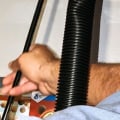
While DIY duct cleaning is possible, it requires caution and the right tools.A workshop vacuum with a hose attachment can help remove surface dust. However, improper cleaning can damage your ducts or push debris further into the system. It’s advisable to consult with professionals for a thorough inspection before attempting any cleaning.
5.Is duct cleaning worth the cost?
The cost of professional duct cleaning can be significant, often ranging from a few hundred dollars to more, depending on the size of your home and the complexity of the job. However, if you are experiencing issues like poor airflow or persistent odors, investing in professional services may be worthwhile for peace of mind and system efficiency.By understanding these common questions about duct cleaning, you can make informed decisions regarding the maintenance of your HVAC system and ensure a healthier living environment.Conclusion: Making Informed Decisions About Duct Cleaning
In conclusion, understanding the realities surrounding duct cleaning is essential for homeowners who wish to maintain a healthy and efficient HVAC system.Throughout this article, we have explored various myths and misconceptions that often lead to unnecessary expenses and potential harm to your heating and cooling systems. It is crucial to recognize that while pristine duct conditions may seem appealing, the necessity of frequent duct cleaning is often overstated.One of the primary takeaways is that air ducts do not require annual cleaning as part of routine maintenance. In fact, excessive cleaning can disrupt the delicate balance of your HVAC system, leading to decreased efficiency and increased costs. The Environmental Protection Agency (EPA) has indicated that there is no substantial evidence linking duct cleaning with improved air quality or reduced dust levels in homes.Moreover, it is vital to differentiate between situations where duct cleaning may be beneficial and those where it is not.
For instance, if you have recently moved into a new home or if someone in your household suffers from allergies or respiratory issues, a thorough inspection and possible cleaning may be warranted. However, these instances should be approached with caution and ideally under the guidance of licensed professionals.To make informed decisions about duct cleaning, consider the following:
- Consult Professionals: Always seek advice from experienced HVAC technicians who can assess your specific situation and provide tailored recommendations.
- Evaluate Your Needs: Consider factors such as the age of your home, previous maintenance practices, and any health concerns within your household.
- Focus on Preventative Measures: Regularly changing air filters, maintaining cleanliness in your home, and addressing any underlying HVAC issues can significantly improve indoor air quality without the need for frequent duct cleaning.